
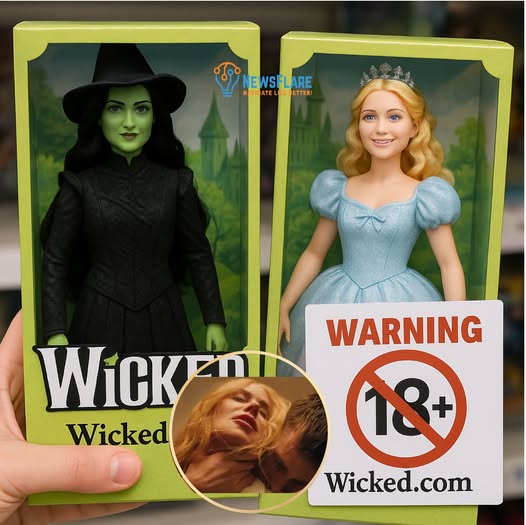
What seemed like a harmless tie-in for the monster hit movie “Wicked” turned into a nightmare for toy giant Mattel when its special-edition dolls accidentally linked children to a pornographic website. Yes – the boxed dolls of Elphaba and Glinda had the wrong URL printed, and now Mattel is staring down a class-action lawsuit after parents discovered their kids were just one click away from X-rated content.
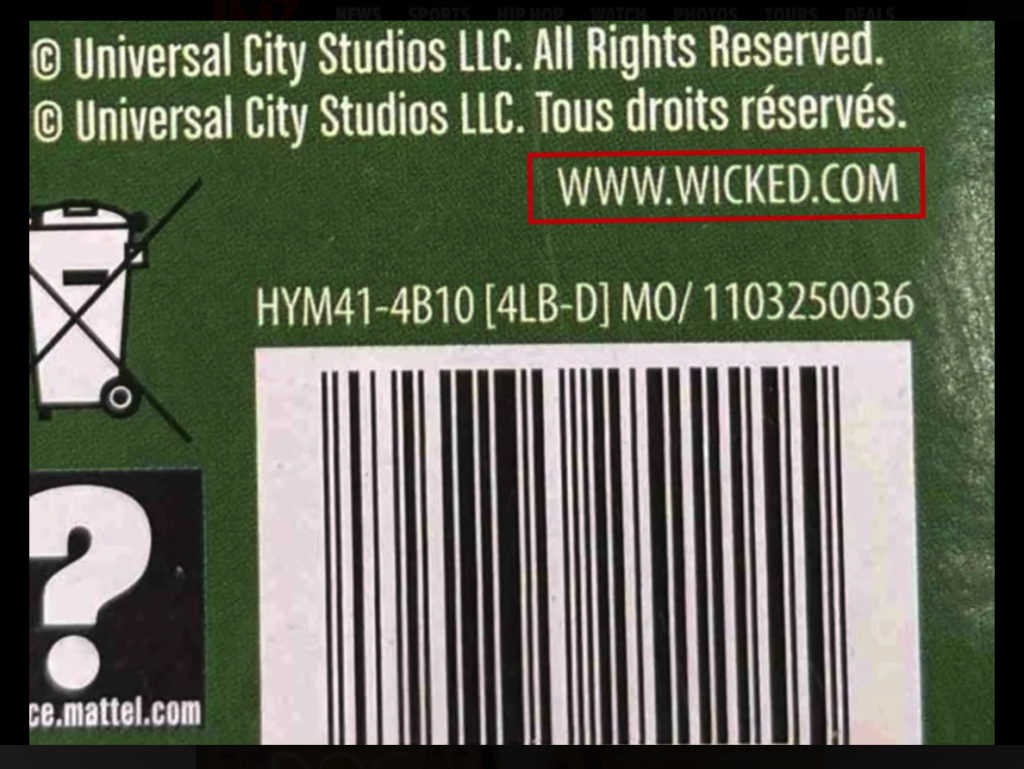
That misprint – and how it blew up
In November the misprint was revealed when eagle-eyed parents noticed that instead of the correct WickedMovie.com landing page, the packaging directed buyers to Wicked.com – the homepage of a full-on adult-entertainment studio. The news spread like wildfire on social media, with photos of the box links circulating and outrage brewing. According to reports, the affected dolls were sold via U.S. retailers like Target, Amazon and Kohl’s. Mattel issued a recall and advised parents to discard the packaging or cover up the link. (The Guardian)
But repairing the damage was just the beginning. On December 3 a lawsuit was filed by a South Carolina mother claiming that after purchasing the doll for her daughter, she clicked that link and found “hard-core, full-on nude pornographic images depicting actual intercourse.” The suit seeks at least $5 million in damages and accuses Mattel of negligence and selling “unfit products” for children aged 4 and up. (Reuters)
Why this mistake is worse than a spelling error
This is not a typo that spells “toys” instead of “boys” – it’s a wildly inappropriate link printed on packaging geared toward youngsters. The link took them to a domain owned by an adult-film production entity. That means parents trusted Mattel’s brand and promotional muscles and ended up with a scenario that could be considered one of the worst toy launches in recent memory.
The corporate embarrassment is multi-layered: a blockbuster musical movie tie-in marketed aggressively, budgeted for families and kids, and suddenly exposed to a web domain that’s quite the opposite. Parents and consumer-protection outlets have flagged the incident as a huge breach of trust. Consumer-safety specialists often reference the guidelines listed by organizations like FTC Consumer Protection in marketing to children.
Mattel’s response – apology, recall & mixed signals
Mattel’s public statement called the error a “misprint” and said the company “deeply regrets” the packaging mistake. They claimed only a limited number of units were affected and that the play value of the dolls themselves was intact. The company advised those kids who bought the product to either discard the packaging or obscure the link. (AP News)
Still, critics say that response doesn’t cut it. The lawsuit argues Mattel never offered refunds and failed to ensure that consumers could safely use the packaging or website link. The parent who filed the suit claims both she and her daughter were left emotionally distressed and in horror over what they encountered online.
Retailers & the ripple effect
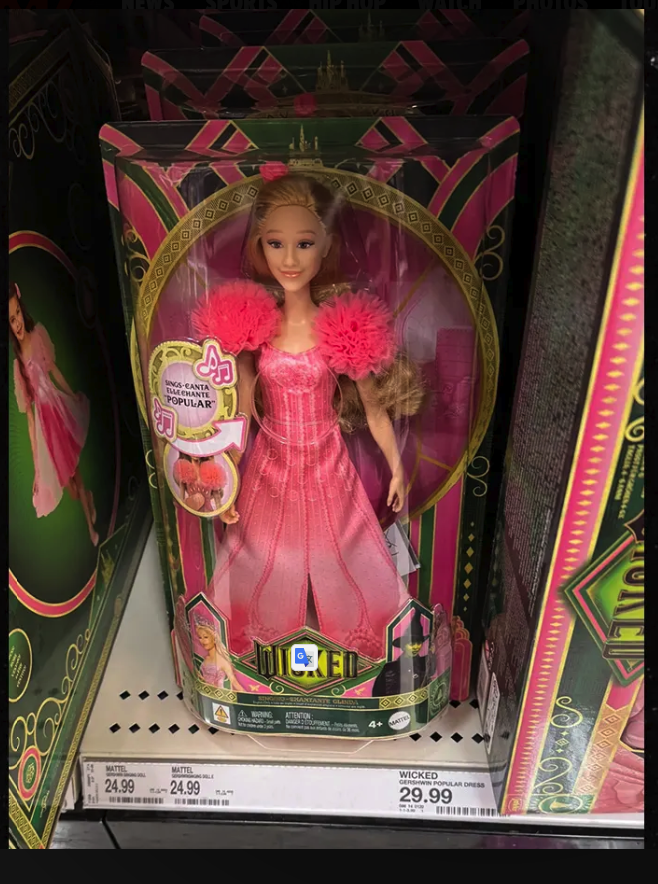
Major stores pulled the product. Amazon listings were temporarily removed and Target reportedly delisted the dolls until correct packaging was produced. The risk to brand trust and marketing credibility is massive. For many parents, seeing a toy box that says “Ages 4+” pointing to adult material is unforgivable.
The incident has also triggered debate over corporate supply-chain control. How did the wrong URL slip through QA to print millions of boxes? The movie Wicked is being released in theaters with stars like Ariana Grande and Cynthia Erivo, and the sponsoring doll line was supposed to ride that wave. Instead it became a social-media meme and PR nightmare. (Variety)
Parents’ trust betrayed – and the law gets involved
From a legal perspective this is far more than an awkward commercial mishap. The proposed class action alleges violations of California consumer-protection laws, negligence and even selling a product that exposed a minor to pornographic content. The plaintiff claims the doll’s packaging “advertised for users as young as four” and that the incident caused emotional distress to her and her daughter.
Industry-watchers note that toys are among the most heavily regulated consumer goods, and one misstep into adult content territory is a heavy red flag. The case will be closely watched by marketers, toy manufacturers and regulators alike. For legal context on merchandise liability cases see resources like Law.com (subscription required).
What’s next for Mattel, kids and the brand?
Mattel says corrected versions of the dolls with proper packaging are now back on shelves and online. But the damage may linger. Parents might avoid future tie-ins, especially those tied to kids-friendly movie promotions. The broader lesson? Even a giant toy company can trip, and the fallout is more than embarrassing—it’s legally and commercially expensive.
The doll line’s blockbuster promise is now overshadowed by the error. And from a PR standpoint, nothing says “brand crisis” faster than linking dolls meant for kids to a domain where adult content lives. On the flip side, the fans of the musical may still buy the dolls—but behind the scenes this incident will be cited in brand-risk casebooks for years.