
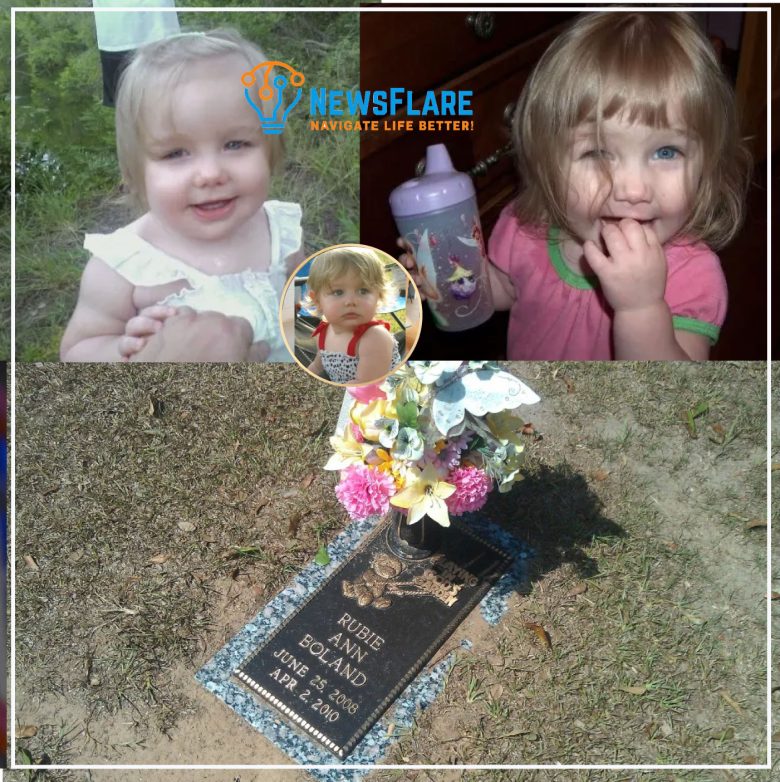
The Death of 23-Month-Old Rubie Boland: Louisiana Case Sheds Light on Dangers of Child Abuse
Authorities in Louisiana continue to reference the 2010 death of 23-month-old Rubie Boland as one of the state’s most severe child-abuse cases, a reminder of the vulnerabilities young children face when placed in unsafe environments.
Rubie was found unresponsive on April 1, 2010, after being left in the care of her mother’s boyfriend, Andrew, while her mother was at work. Emergency responders transported the toddler to Ochsner Foundation Hospital in Jefferson, where she was placed on life support. She died the following day after being declared brain-dead.
Investigators later determined that Rubie had sustained “cruel and unusual trauma,” according to St. Tammany Parish Coroner Peter Galvan. Her injuries included severe brain damage, retinal hemorrhaging, and bruising to her head and feet. Medical staff informed investigators that the injuries were consistent with violent shaking and blunt-force trauma.
Initial statements from Andrew claimed the child fell from a couch. But when confronted with the autopsy findings, he admitted to shaking Rubie and striking her head against the floor. He told investigators he had been frustrated when Rubie soiled her diaper and said he had been under the influence of marijuana at the time.
Sheriff Jack Strain described the attack as “not simply Shaken Baby Syndrome,” but a deliberate act of violence.
Andrew ultimately pleaded guilty to second-degree murder and was sentenced to life in prison without parole.
Rubie’s death prompted renewed discussions in Louisiana regarding child-abuse reporting, early-warning signs, and the challenges young parents face when relying on informal childcare arrangements. Child-advocacy organizations continue to cite the case in public-awareness campaigns focused on prevention and intervention.
Family members have kept Rubie’s memory present in the years since her death, describing her as a curious toddler who loved picture books and soft toys. Her mother has spoken publicly about the importance of community vigilance and the need for stronger protections to prevent similar tragedies.
Advocates say the case underscores a broader reality: children under two are among the most vulnerable to abuse-related injuries, and early recognition of warning signs remains critical to prevention efforts.