
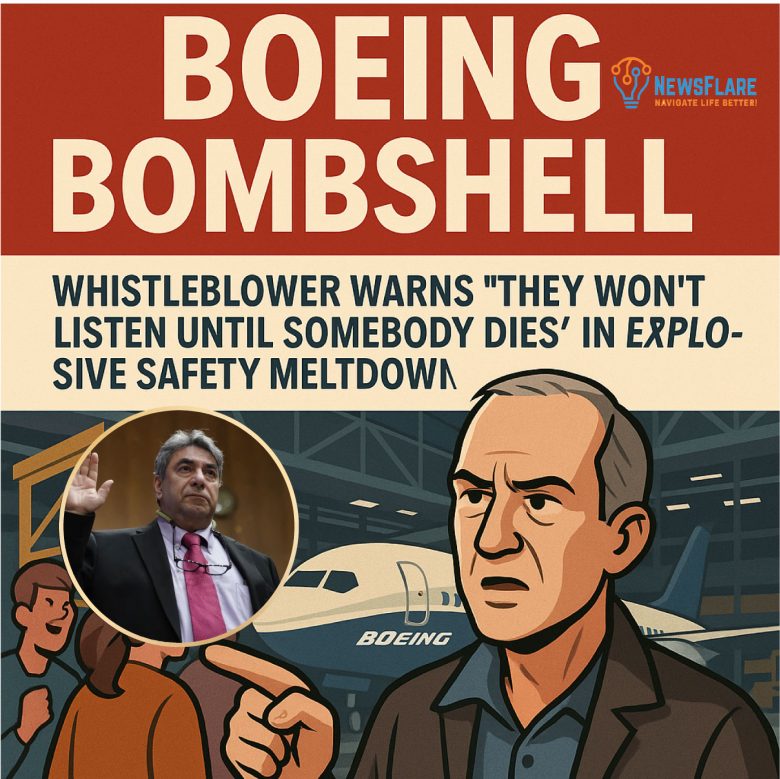
Boeing is back in the hot seat – and this time the drama is coming straight from inside the factory. A longtime technician at the company’s Los Angeles satellite plant has dropped a nuclear-level warning, claiming Boeing won’t listen to safety concerns “until somebody dies.” Yes, that’s the exact quote, and it’s already detonating across the aerospace world.
The whistleblower, Craig Garriott, sat down with CBS News to spill what he says is the truth behind Boeing’s glossy PR machine. According to him, the once-respected aviation giant is now laser-focused on profit and speed, ignoring quality, safety and the people actually building the tech. If you want background on Boeing’s long timeline of controversies, check sites like The Verge for recent coverage.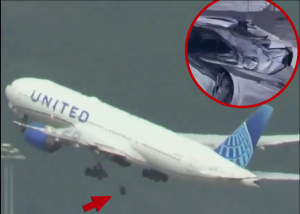
Profit over safety – the accusation shaking the company
Garriott claims Boeing used to be a place where engineers and techs pushed for excellence. But under its current leadership, he says the culture has flipped – and not in a cute corporate makeover way. He alleges the company has become obsessed with ramping up production numbers, even if that means ignoring safety checks and employee warnings.
In the CBS interview, Garriott said flat-out: “I’m afraid with Boeing in the hands that it’s in now down here, they’re not gonna listen to me until somebody dies.” It’s the kind of statement that normally signals lawsuits, resignations and late-night crisis meetings.
The 4-ton satellite crash that raised eyebrows
Garriott didn’t just talk – he brought receipts. He highlighted a shocking event inside the Los Angeles factory: a 4-ton satellite that crashed onto the production floor because it wasn’t secured properly. A satellite falling like a giant metal pancake is the kind of workplace incident that would trigger full investigations at most companies, but Garriott says Boeing brushed it off.
The technician says that accident wasn’t just a freak moment – it was a symptom of what he describes as a “toxic culture.” He believes management’s obsession with deadlines and output has created an environment where corners get cut and workers feel ignored. For context, the National Safety Council offers deeper insight into industrial safety failures at nsc.org.
Boeing fires back – “We didn’t retaliate!”
Garriott isn’t spe
aking up without risk. He sued Boeing in April, accusing the company of retaliating against him for raising red flags. According to him, management labeled him a “troublemaker” instead of lis
tening to his concerns.
Boeing, of course, denies everything. A spokesperson insisted the company has “strict policies prohibiting retaliation toward employees who raise concerns” and said Boeing “did not retaliate against” Garriott. Anyone who follows corporate whistleblower cases will know this is pretty standard phrasing, but it’s not exactly stopping the drama from spreading. Legal watchdog groups often track these cases – similar examples can be found on whistleblowers.org.
Garriott isn’t alone – the chorus gets louder
If Boeing hoped this would blow over, bad news – more voices are joining in. Union workers filed a federal complaint in October, claiming safety breakdowns and mismanagement. Another technician, who remained anonymous, told CBS safety had become “an afterthought” in recent years.
It’s not just nois
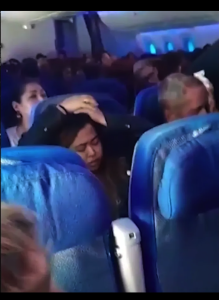
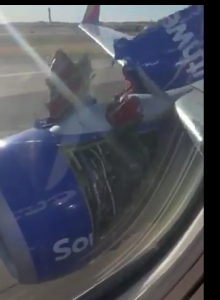
e from the sidelines. The aerospace industry is watching Boeing closely, especially after a year filled with headlines about malfunctioning planes across the globe. Several Boeing models have been the subject of emergency landings, cabin blowouts and terrifying mid-air incidents. Coverage from aviation sites like FlightGlobal has tracked the ongoing issues.
The John Barnett shadow looms large
The conversation around whistleblowers at Boeing is even more intense because of the tragic death of John Barnett, another former Boeing employee who died by suicide in March while giving a deposition in a lawsuit against the company. His death sent shockwaves through the industry and raised questions about how Boeing handles internal critics.
Garriott mentioned Barnett’s death as an example of the pressure facing employees who come forward. He says workers are afraid – not just of retaliation, but of being ignored until tragedy hits.
A company drowning in bad headlines
Boeing has been in nonstop crisis mode for over a year. From international mid-air incidents to ongoing safety investigations, every new story feels like a fresh punch to the company’s once-golden reputation. While Boeing continues to insist its products are safe and quality is its top priority, stories like Garriott’s keep painting a different picture – one where employees feel abandoned and factories feel more like pressure cookers than innovation hubs.
Even aviation analysts, who tend to choose their words carefully, have noted growing concerns. You can find ongoing industry responses at outlets such as Reuters Aerospace.